
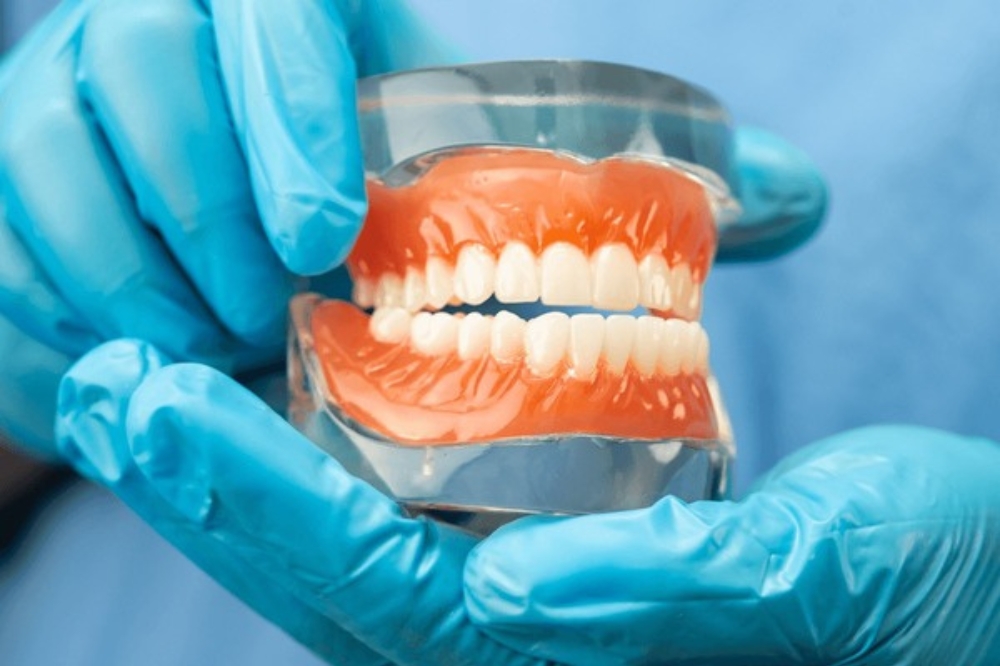
Missing teeth can change the way you eat, speak, and smile. Many people who consider dentures in Vancouver often ask the same question: Will they feel comfortable? It is a fair concern. Dentures are a significant change, especially if you have never worn them before.
The modern dentures are designed to fit better and feel more natural than ever. While there is an adjustment period, most people adapt well with time, patience, and proper guidance from a dental professional.
This guide explains what new wearers can expect, how comfort improves over time, and how to make the transition smoother.
Are Dentures Comfortable Right Away?
Most new wearers notice that dentures feel unusual at first. It is entirely normal. Your mouth needs time to adjust to something new resting on your gums.
Here is what you may experience in the beginning:
- A feeling of fullness in the mouth
- Mild soreness or pressure
- Extra saliva
- Slight difficulty speaking clearly
- Small sore spots on the gums
These changes usually improve within a few weeks. Your gums, tongue, and facial muscles slowly learn how to work with the dentures. Regular follow-up visits help ensure proper fit and comfort.
How Long Does It Take to Adjust?
Adjustment time varies from person to person. Some people feel comfortable within two weeks. Others may take a month or more.
Several factors affect comfort:
|
Factor |
How It Impacts Comfort |
|
Fit of dentures |
A proper fit reduces sore spots |
|
Gum health |
Healthy gums adapt faster |
|
Daily wear time |
Consistent use helps muscles adjust |
|
Follow-up visits |
Adjustments improve comfort |
Staying patient is essential. Removing dentures too often in the early days can slow down the adjustment process.
Will Dentures Hurt?
Dentures should not cause ongoing pain. Mild discomfort during the first few days is common, but sharp or lasting pain is not normal.
If you notice:
- Persistent sore spots
- Swelling
- Difficulty chewing even soft foods
- Dentures slipping often
It is essential to visit a dentist near you for adjustments. Even small changes in fit can make a big difference.
What About Eating with Dentures?
Eating is one of the biggest concerns for new wearers. At first, chewing may feel awkward. Start with soft foods and cut them into small pieces.
Helpful tips include:
- Chew slowly
- Use both sides of your mouth evenly
- Avoid sticky or tricky foods in the beginning
- Take small bites
Over time, your chewing ability improves. Many people return to enjoying most of their favourite meals with confidence.
Will Dentures Affect Speech?
Some words may feel harder to pronounce at first. It happens because your tongue needs time to adjust to the new shape inside your mouth.
To improve speech:
- Practice reading out loud
- Repeat challenging words
- Speak slowly at first
Most speech changes improve within a few weeks. With practice, dentures begin to feel more natural.
How Can You Make Dentures More Comfortable?
Comfort can be enhanced by observing proper care practices. Here are some easy steps to help you:
Daily Cleaning
- Rinse after meals.
- Brush softly using a denture brush.
- Soak overnight if recommended.
Gum Care
- Remove dentures at night.
- Clean your gums using a soft cloth.
- Keep your mouth moist.
Regular Checkups
Regular dental visits can ensure a proper fit. Gums can change shape over time, and adjustments may be needed.
If you are searching for dentures near you, choose a clinic that provides follow-up care and clear instructions for long-term comfort.
Do Modern Dentures Feel Natural?
Modern materials are lighter and more flexible than older versions. Today’s dentures are designed to match the shape and appearance of natural teeth.
Many people report that once adjusted, they:
- Smile with more confidence
- Feel comfortable in social settings
- Enjoy improved chewing ability
- Speak clearly without worry
Implant-supported options offer added stability for some patients. Your dental provider can guide you on whether that option suits your needs.
What Emotional Changes Should You Expect?
Comfort is not only physical. Emotional adjustment is also part of the process.
New wearers sometimes feel:
- Self-conscious at first
- Nervous about speaking or eating in public
- Unsure about smiling fully
These feelings usually fade as confidence grows. Once you see improvements in your appearance and daily comfort, your outlook often shifts in a positive direction.
When Should Dentures Be Replaced?
Dentures do not last forever. Over time, they can become loose because of changes in your gums and jawbone.
The following are signs that you may need a replacement:
- Slipping constantly.
- Visible wear.
- Cracks or damage.
- Discomfort.
Regular visits to your dentist in Vancouver will ensure that any of the above problems are identified early, and adjustments or relining may be all that is needed.
Restore Comfort and Confidence with ByDesign Implant Dentistry
Gaps in your teeth may impact your everyday activities, but proper attention can help you regain comfort and confidence.
At ByDesign Implant Dentistry, your comfort is our primary focus from the appointment through follow-up. Clear instructions and special attention make it easy for you to adapt. Schedule your appointment today and begin your journey toward a confident, secure smile.
📍 Find us easily on the Google map and plan your visit today!