
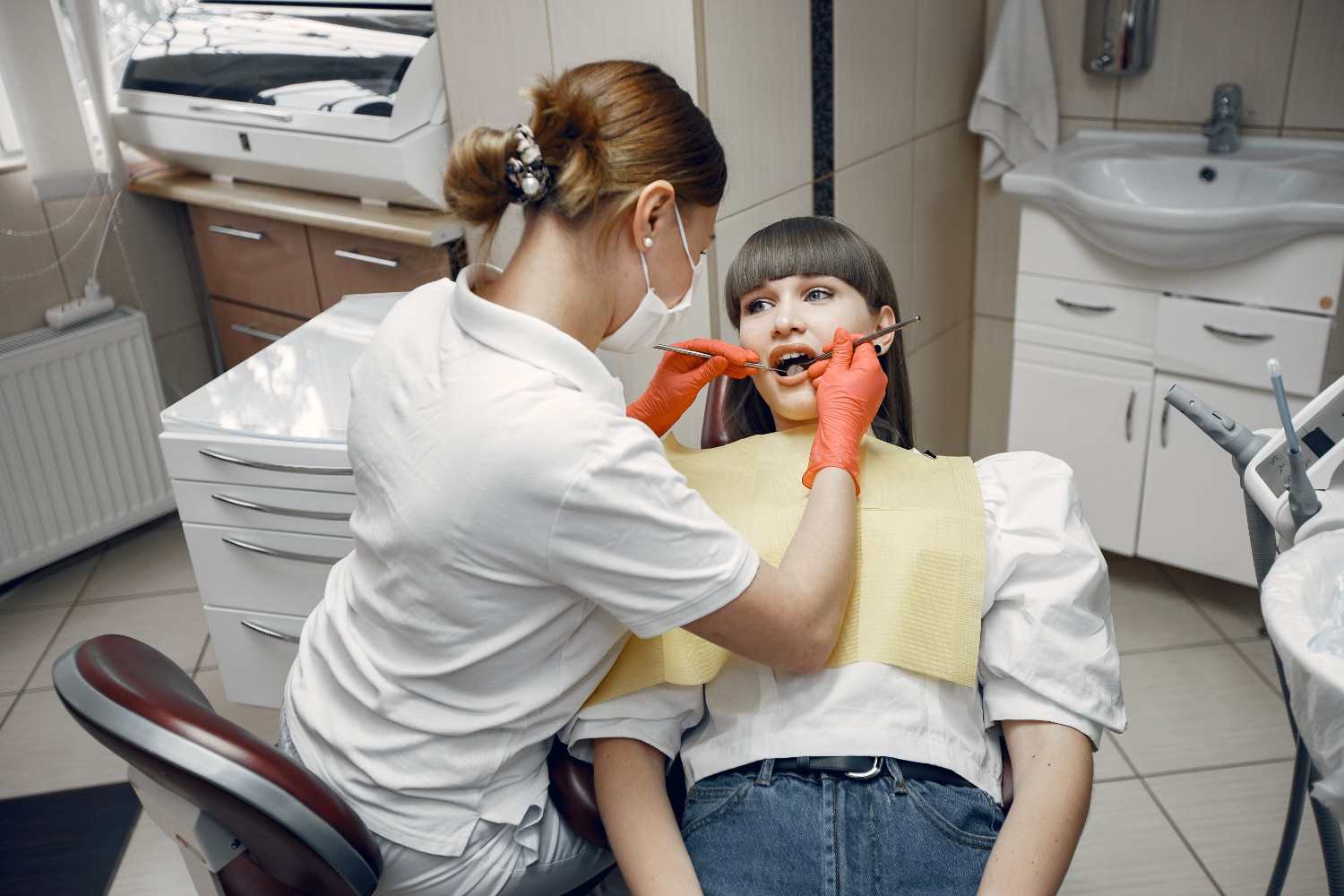
Dental crowns cover and protect teeth that are badly decayed, cracked, or damaged. They can also be used on teeth with large fillings. With good care, a crown can last for many years. Dental crowns in Vancouver may last about 10 to 15 years, although some may last longer. Brushing and flossing every day, regular dental visits, and avoiding habits that can damage the crown may help it last longer. The type of crown, the health of the tooth underneath, how much pressure you put on the crown when biting, and your overall oral health can also affect how long it lasts.
Understanding these factors can help with better care and timely replacement when needed.
What Is the Average Lifespan of a Dental Crown?
A dental crown often lasts about 10 to 15 years, but some may last longer. There is no set time for how long a crown will last. Its lifespan can depend on how well you care for it, how much you use it, and other factors.
Factors that may affect crown lifespan include:
- The material used to make the crown
- The condition of the natural tooth underneath
- Daily brushing and flossing habits
- Teeth grinding or clenching.
- The amount of pressure placed on the crown
- Regular dental checkups and cleanings
A crown that remains secure and free from damage may not need replacement simply because it has reached a certain age.
What Can Cause a Dental Crown to Wear Out?
Over time, normal chewing can cause a crown to show signs of wear. Biting hard objects, chewing ice, or using the teeth to open packages may also increase the risk of chips or cracks.
Teeth grinding and clenching can place extra pressure on both the crown and the tooth underneath. Poor oral hygiene may also allow decay or gum problems to develop around the crowned tooth.
Warning signs that may need dental attention include:
- A loose or moving crown
- A visible crack or chip
- Pain when biting
- New sensitivity
- Food repeatedly gets trapped around the crown.
Changes in the way the teeth come together
How Can Dental Crowns Last Longer?
Good daily care can help keep your crown and the natural tooth underneath healthy. Dental crowns near you should be cleaned just like your natural teeth, even though the crown itself cannot get a cavity.
Helpful habits include:
- Brush your teeth twice a day with fluoride toothpaste.
- Clean between your teeth every day.
- Avoid chewing very hard foods or objects.
- Wear a night guard if your dentist recommends one for teeth grinding.
- Go for regular dental checkups.
- Follow your dentist’s care instructions after getting a crown.
Good care cannot guarantee how long a crown will last, but it may help prevent problems that could cause the crown to need replacement sooner.
When Should a Dental Crown Be Replaced?
A crown may need replacement when it is damaged, loose, worn, or no longer properly protects the tooth. Replacement may also be considered if decay develops around the crown or if the underlying tooth develops a new problem.
A prosthodontist in Vancouver can assess the crown, the supporting tooth, and the surrounding gums to determine whether replacement is needed. The condition of the underlying tooth is especially important because simply replacing the crown may not address an underlying dental problem.
Are Dental Crowns the Same as Dental Implants?
Dental crowns and implants are used for different reasons. A crown covers and protects a natural tooth that is still strong enough to support it. An implant replaces the root of a missing tooth and can support a crown to replace the visible part of the tooth.
A dental implantologist near you can assess whether implant treatment may be appropriate when a tooth cannot be saved or is already missing. The right option depends on the condition of the tooth, bone, gums, and surrounding teeth.
What Helps a Crown Last Longer?
The best way to protect a crown is to care for it as part of the natural smile rather than treating it as something that needs little attention.
A dental team may recommend:
- Regular exams to check the crown and supporting tooth
- Professional cleanings to control plaque and buildup
- Prompt attention to pain, sensitivity, or looseness
- A night guard is a concern when grinding or clenching.
- Good brushing and flossing habits at home
With the right care, dental crowns in Vancouver may continue to function well for many years.
Keep Your Dental Crown Working for the Long Term!
A crown can provide years of protection when the crown, natural tooth, and surrounding gums are properly cared for. A prosthodontist in Vancouver can evaluate an existing crown and check for signs that it may need repair or replacement. ByDesign Dentistry can provide an assessment and help determine the next step based on the condition of the tooth and crown. Book an appointment to keep your dental care on track and address changes before they become bigger concerns.
FAQs
Can a dental crown last 20 years?
Yes, some crowns can last 20 years or more, but this is not always the case. How long a crown lasts depends on the crown material, your oral care, biting pressure, and the health of the tooth underneath.
Does a crown need to be replaced if it looks fine?
Not necessarily. If a crown is stable, comfortable, and properly protects the tooth, it may not need replacement just because it is several years old. Regular dental exams can help determine its condition.
Can a crown get a cavity?
The crown itself cannot develop a cavity, but the natural tooth around or underneath it can still develop decay. Good brushing, flossing, and dental care remain important.
What should be done if a crown becomes loose?
A dental professional should check a loose crown. Avoid chewing on that side, and do not try to permanently fix the crown at home. The tooth and crown may both need to be examined.