
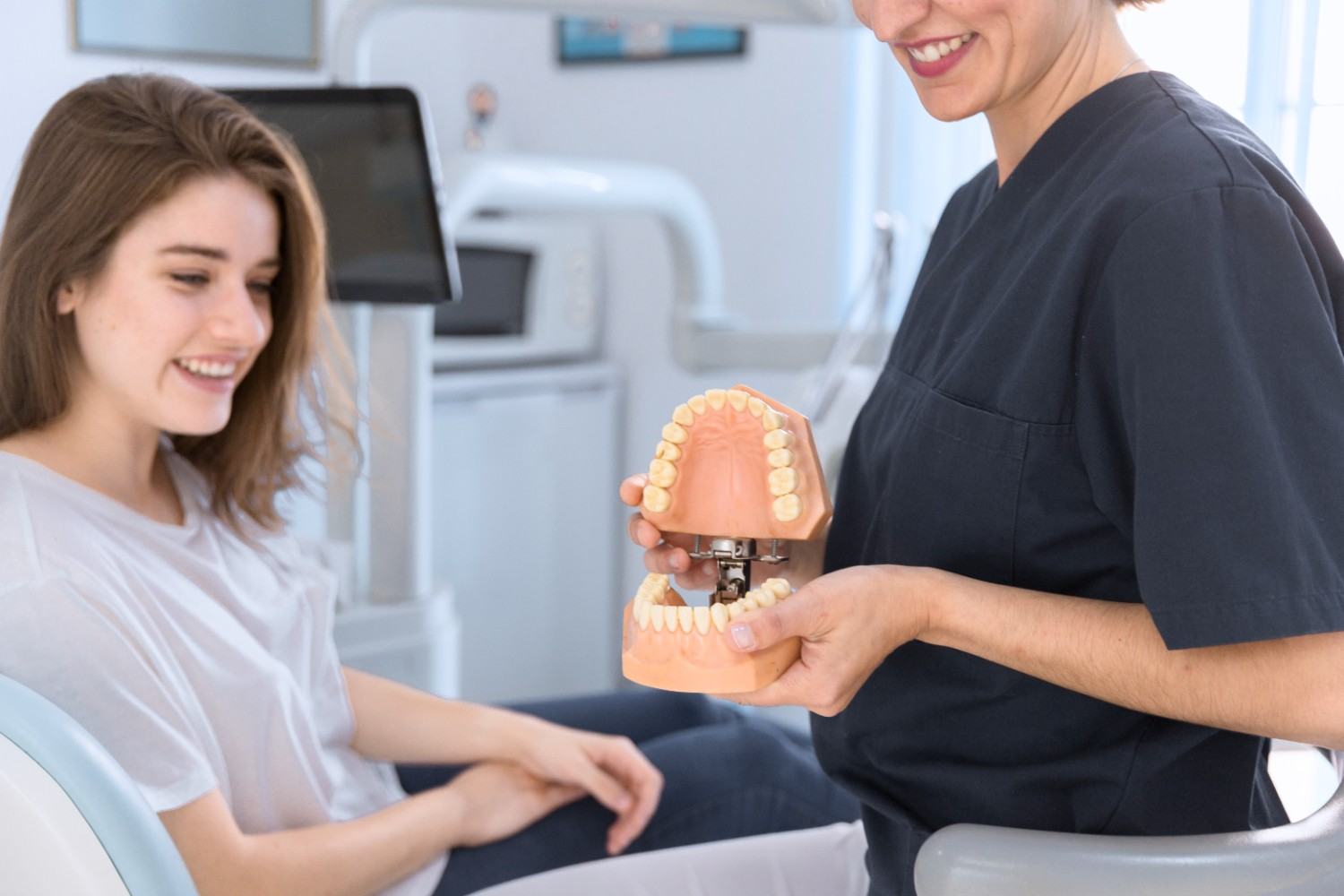
Replacing a missing tooth can make eating and speaking easier and improve your smile. Dental Bridges in Vancouver are one option, while dental implants are another. A bridge uses a replacement tooth held in place by nearby teeth. An implant uses a small post placed in the jaw to support a replacement tooth. The best option depends on your needs, including how many teeth are missing and the health of your teeth, gums, and jawbone.
Understanding how bridges and implants differ can make it easier to discuss the available options and choose an approach that fits the condition of the mouth.
How Do Dental Bridges Replace Missing Teeth?
A dental bridge fills the space left by a missing tooth. The replacement tooth is connected to crowns that fit over the teeth beside the gap.
Dental bridges in Vancouver may be considered when the neighboring teeth are strong enough to support the restoration. Bridges can restore some chewing function and help prevent nearby teeth from shifting into the open space.
What Are the Main Benefits of a Bridge?
A bridge may offer several practical benefits:
- It does not require an implant to be placed in the jaw.
- It can replace a missing tooth without the need for removable dentures.
- Treatment may involve less surgical care than an implant.
- It can restore the appearance of a smile.
- It can help make chewing easier.
The right choice still depends on the health of the teeth and gums around the missing space.
How Do Dental Implants Replace Missing Teeth?
Dental implants in Vancouver replace the root of a missing tooth with an implant placed into the jawbone. Once the implant has healed, a replacement tooth can be attached to it.
Unlike a bridge, an implant does not need the neighboring teeth to support the replacement tooth. This can be useful when the surrounding teeth are healthy and do not need to be used as supports.
Which Option May Be Better for You?
There is no single choice that works for every missing tooth. A dental examination can help compare both options based on the condition of the mouth.
A prosthodontist in Vancouver may assess factors such as:
- The number and location of missing teeth
- The strength of nearby teeth
- Gum health
- Jawbone condition
- Bite and chewing needs
- General oral health
- Treatment preferences and expectations
A bridge may be suitable when nearby teeth can provide strong support. An implant may be considered when preserving the neighboring teeth is important, and there is enough healthy bone for implant placement.
What Should You Consider Before Choosing?
The condition of the mouth is an important part of treatment planning. Gum disease, bone loss, decay, or weak supporting teeth may affect which option is available.
The treatment process is also different. A bridge generally relies on the surrounding teeth, while an implant requires healing time after placement in the jaw. This means the overall treatment time and care involved can vary.
A dental implantologist near you can explain whether an implant is suitable after checking the jawbone, gums, and remaining teeth.
Can Missing Teeth Be Prevented?
Good oral care can reduce the risk of tooth loss caused by common dental problems. Helpful habits include:
- Brush twice a day with fluoride toothpaste.
- Clean between the teeth every day.
- Limit frequent sugary foods and drinks.
- Protect the teeth during activities where injury is possible.
- Keep regular dental appointments.
- Treat cavities and gum problems early.
Preventive care cannot prevent every cause of tooth loss, but it can help protect the teeth that remain.
What Happens After Tooth Replacement?
After either treatment, daily care remains important. Bridges should be cleaned around and underneath the replacement area. Implants also need regular brushing and careful cleaning around the implant and gums.
Regular dental visits can help check the restoration and support teeth, gums, and surrounding tissues for changes.
Get Personalized Guidance for Your Missing Tooth!
Choosing between a bridge and an implant depends on more than the appearance of the replacement tooth. A careful assessment can help identify the option that fits the condition of the missing space and surrounding teeth.
Book an appointment with By Design Dentistry to have your missing tooth evaluated, compare bridge and implant options, and receive clear guidance on the treatment that may best suit your dental needs.
FAQs
Is a dental bridge or an implant better?
Neither option is always better. The right choice depends on the condition of the missing space, nearby teeth, gums, jawbone, and overall dental needs.
Does a dental bridge require surgery?
A traditional bridge usually does not require implant surgery. The supporting teeth are prepared so the bridge can be fitted securely.
Can a dental implant replace one missing tooth?
Yes. A single implant can support a replacement tooth when the jawbone and surrounding tissues are suitable for treatment.
Which option lasts longer, a bridge or an implant?
Both can provide long-term tooth replacement when properly planned and cared for. Their lifespan can vary based on oral hygiene, bite forces, gum health, and regular dental care.