
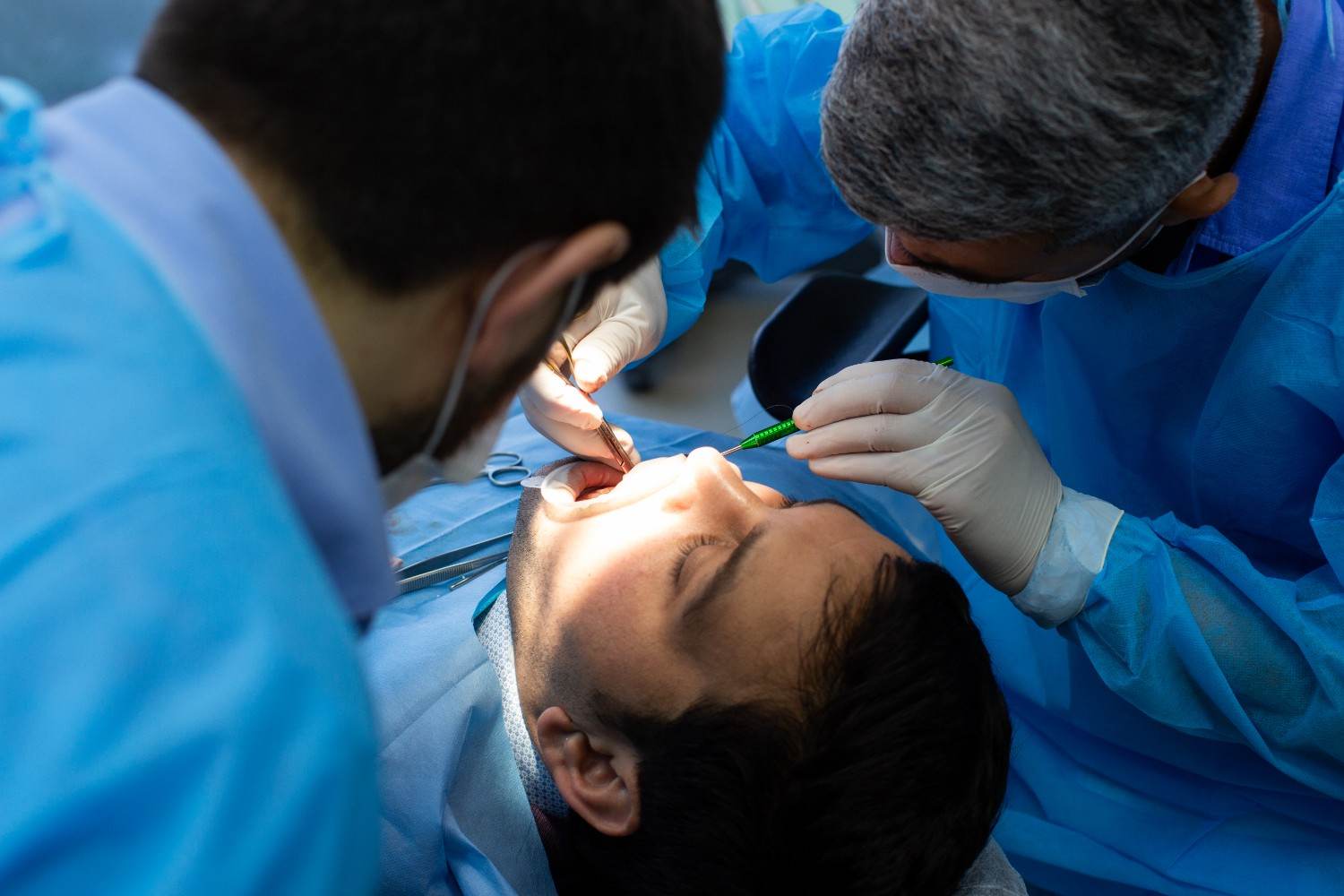
Dental implants in the upper back jaw need enough healthy bone for stable support. In some people, the maxillary sinus sits close to the roots of the upper premolars and molars, leaving limited bone height for an implant.
Sinus grafting in Vancouver may be recommended when the available bone cannot safely support the planned implant. A sinus lift raises the sinus membrane and adds graft material beneath it, creating additional bone over time. It is not required for every upper implant; the decision depends on examination and imaging. This planning clarifies graft healing and the likely timing of later implant placement.
Why the upper back jaw can have limited bone height
The maxillary sinuses are air-filled spaces behind the cheeks and above the upper back teeth. The roots of the premolars and molars can sit relatively close to the sinus floor. After a tooth is lost, the surrounding jawbone may gradually narrow or shorten. In some cases, the sinus floor also expands downward into the space left by the missing teeth.
These changes can reduce upper jaw bone height, leaving less bone available to hold an implant securely. Bone quantity is only one part of the assessment; density, ridge width, sinus anatomy, gum health, and the intended restoration also influence the plan.
A sinus lift is considered when the planned implant position would otherwise leave insufficient bone support or bring the implant too close to the sinus. The procedure creates additional bone in the upper jaw, not to treat a sinus condition.
Who may be considered for a sinus lift?
A person may be considered when dental imaging shows limited bone between the sinus floor and the proposed implant site. Clinicians assess sinus lift candidates individually; a missing upper molar alone does not automatically mean a sinus lift is needed.
Planning may consider several factors:
- Location of tooth loss — Missing upper premolars and molars are more likely to be near the maxillary sinus than teeth in the front of the mouth.
- Remaining bone — The height, width, and quality of the existing ridge help determine whether an implant can be stabilized without grafting.
- Sinus anatomy — The position and shape of the sinus floor vary from person to person.
- Oral and general health — Gum inflammation, smoking, medical conditions and sinus symptoms may affect timing or suitability.
- Restorative plan — The number, angle and position of implants influence how much support is required.
How is the need for sinus grafting assessed?
Planning begins with a review of dental history and an examination of the upper jaw: imaging shows available bone, the sinus floor position, and nearby anatomical structures.
Three-dimensional imaging may be recommended when it provides information needed for surgical planning; it is not automatically required in every case.
The plan should make clear who is responsible for the surgical and restorative portions, what each stage involves, and how the healing period affects the final restoration. A prosthodontist may help coordinate the restorative stages.
What happens during a sinus lift procedure?
The sinus lift procedure is planned around the available bone and the sinus anatomy. In general terms, the clinician accesses the upper jaw, carefully elevates the thin sinus membrane and places graft material in the space beneath it. The membrane separates the graft from the air-filled sinus cavity.
The surgical approach varies with the amount of bone available and the implant plan. A lateral-window approach may be considered when greater augmentation is needed, while a crestal approach may be possible in selected cases with more existing bone. Explain the specific method during treatment planning.
The graft material may come from different sources, including processed donor material, animal-derived material, synthetic material, or the person’s own bone. The choice depends on the case and the clinician’s protocol. No single material is best for every situation. A prosthodontist in Vancouver may help coordinate the restorative stages and ensure the final tooth replacement is considered during surgical planning.
Can an implant be placed at the same time?
Sometimes. Sinus grafting for implants may be completed with simultaneous implant placement when the remaining bone can provide adequate initial stability. If the existing bone is too limited, the graft may need to heal before placing an implant.
A staged approach adds time to treatment but may be more appropriate when the site needs additional support. A combined procedure may reduce the number of surgical appointments in selected cases, but it is not suitable for everyone. The choice depends on imaging, bone quality, implant position, and the clinician’s assessment.
What should you expect during healing?
The graft needs time to integrate with the surrounding bone. Healing can take several months and varies with the surgical method, graft material, general health, and whether an implant is placed at the same time. The clinician determines when the site is ready for the next stage.
After surgery, follow the specific instructions provided. You may be advised to avoid forceful nose blowing, sneezing with your mouth open, and to limit activities that create pressure in the sinus area. These precautions are intended to protect the healing site. Do not substitute general online advice for the instructions given for your procedure.
Contact the clinic promptly if pain or swelling increases, fever develops, bleeding persists, unusual drainage appears, or sinus symptoms worsen. A sinus membrane complication or infection needs timely assessment.
Is a sinus lift necessary for every upper implant?
No. Some people have sufficient bone for an implant without augmentation. Others may be suitable for a shorter implant or a different replacement plan. A dental clinic that provides sinus grafting near you will discuss the whole treatment sequence, including the surgical stage, healing period, and final restoration. Understanding why grafting is being proposed makes it easier to weigh the benefits, limitations, and alternatives.
Build the implant plan around your anatomy.
A sinus lift can make implant treatment possible when the upper back jaw does not have enough bone, but it is only one part of a carefully planned process. Understanding why you need grafting and the expected healing stages helps set realistic expectations.
Book a consultation with ByDesign Implant Dentistry to review your upper-jaw anatomy and discuss suitable implant options. A well-planned foundation supports a more predictable next step toward restoring your smile.
FAQs
Why is a sinus lift needed before some upper dental implants?
A sinus lift may be needed when the maxillary sinus leaves too little bone beneath it to support an implant. The procedure raises the sinus membrane and adds graft material to increase bone volume. Imaging and examination determine whether this additional step is appropriate.
Do all implants in Vancouver require a sinus graft?
No. Many upper implants can be placed without a sinus lift when enough suitable bone is present. The need depends on sinus position, remaining bone height, and the planned implant. A clinical assessment is more useful than assuming every upper molar needs grafting.
Can an implant be placed during the same appointment as a sinus lift?
Sometimes. Clinicians may consider simultaneous placement when enough existing bone can provide initial implant stability. If the remaining bone is too limited, the graft may need to heal first. Imaging and the clinician’s assessment guide the timing. This depends on the clinical findings.
How long does a sinus graft take to heal?
Healing varies with the amount and type of graft, surgical approach, and individual response. The graft must integrate sufficiently to support the planned implant. Follow-up examinations and imaging, when indicated, help determine when to proceed to the next stage. Confirm timing for each case.
What sinus symptoms should be reported before surgery?
Tell the clinician about persistent congestion, sinus pain or pressure, recurrent infections, unusual drainage, or recent sinus treatment. These details may affect planning or timing. The clinician can determine whether further medical review is needed before the procedure. Report these details before planning.